If your business depends on a natural resource, stewardship isn’t optional — it’s part of the job.

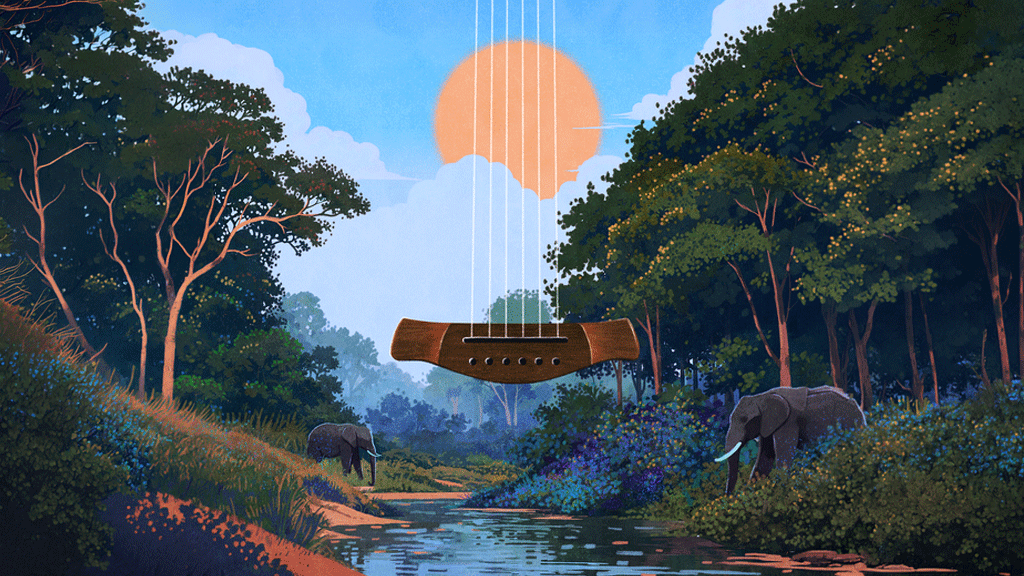
This essay by Bob Taylor originally appeared in The Washington Post and is republished here with permission. Illustration by Daniel Liévano.
I co-founded Taylor Guitars in 1974 at 19. At the time, my partner and I didn’t know much about building guitars or running a business, but we worked hard, learned quickly and, over time, built a company that now makes hundreds of instruments a day and sells them around the world.
In those early years, we worried about nearly everything — tools, rent, whether anyone would buy what we made. But we never worried about where our wood came from.
The species we relied on — spruce, maple, mahogany, rosewood, ebony — had been used for generations and seemed abundant, locally available and affordable. It was “cash on the barrelhead,” as my grandpa would say. No credit. No delay. No documentation. It was as simple as buying a burger and fries.
But things change. And over the course of my career, I’ve watched the world of wood-sourcing move from how it once was to how it now must be.
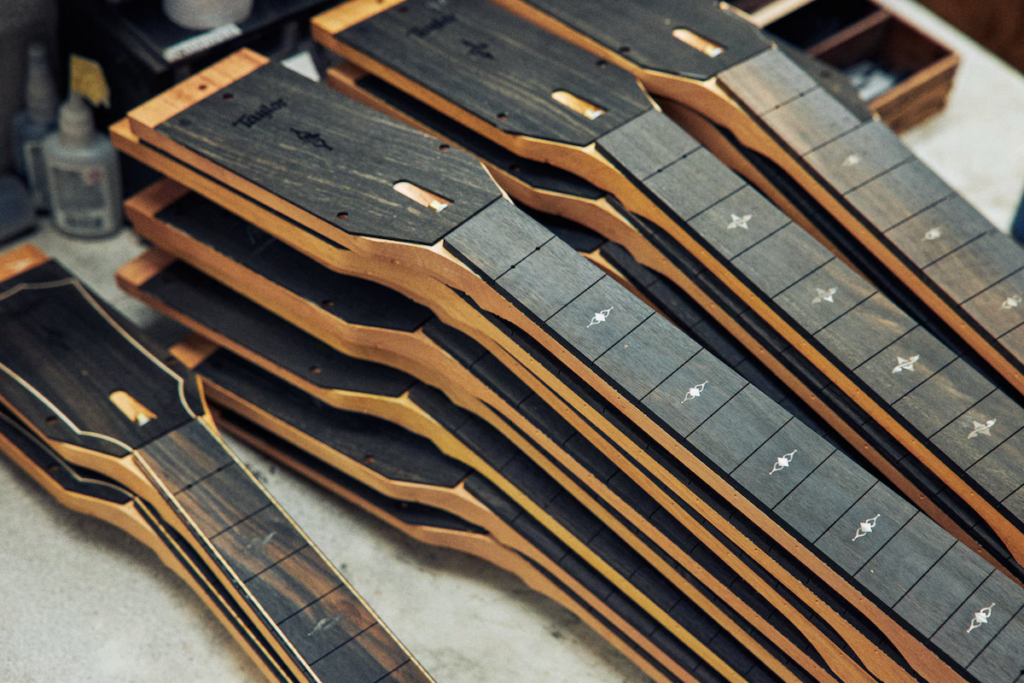
Over five decades, I’ve seen the materials we use become more expensive, like everything else. I’ve also watched available trees get younger and smaller, and, if you’re not careful, less predictable in quality. But perhaps the biggest change has been the paperwork: There is now an ever-growing list of requirements tied to national laws and international agreements.
I’m not opposed to that. I understand what’s happening. In fact, guitar makers are uniquely positioned to notice such changes. A single guitar uses several wood species, many sourced globally, and different models use different combinations. Although our entire industry accounts for less than 1 percent of the trade in most of the wood species we use, that doesn’t reduce our responsibility.
Ours is a small industry. But the pattern is playing out across sectors, from forestry to agriculture to livestock. Supply chains that once felt stable are increasingly connected to ecosystems under stress.
That realization led us to Cameroon. In 2011, we became co-owners of an ebony mill there, seeing it as an opportunity to take greater responsibility for our wood in a complicated region of the world. Ebony has long been prized for stringed musical instruments, but basic questions about it — how much exists, how it grows, how it reproduces — were surprisingly hard to answer.
We partnered with scientists at the Congo Basin Institute to find out. What began as a practical effort to better understand a key material became something broader: a long-term research and reforestation initiative known as the Ebony Project, now in its 10th year and supported by partners including the Franklinia Foundation and the Global Environment Facility.
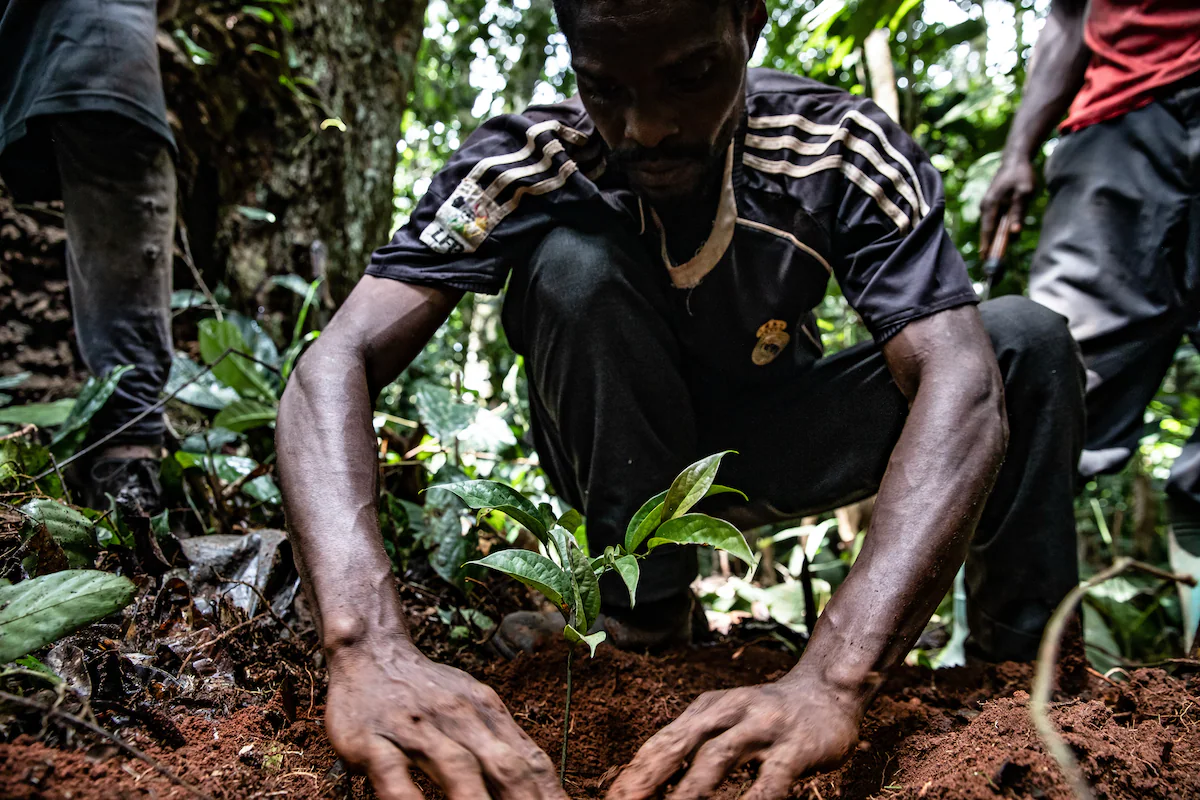
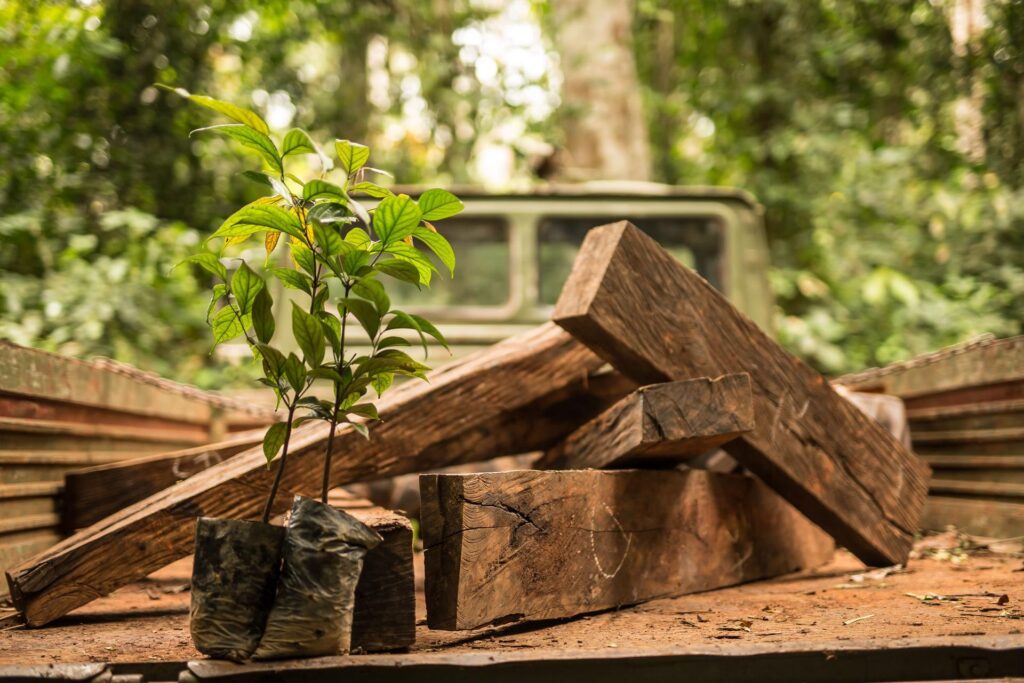
The work has planted tens of thousands of ebony and fruit trees on community-controlled lands bordering protected forest areas. We have no future rights to any of them. I’m just paying it forward. Growing our own ebony in Cameroon was never an option, but even if it were, it would take more than a human lifetime for any of them to reach maturity. Maybe in 100 years someone will make a musical instrument out of the trees we’re planting today.
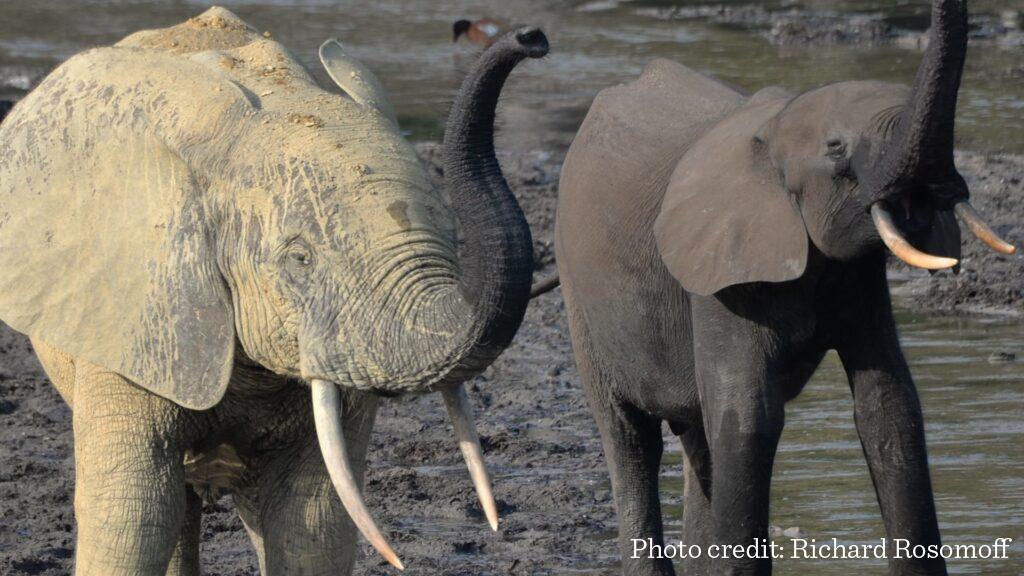
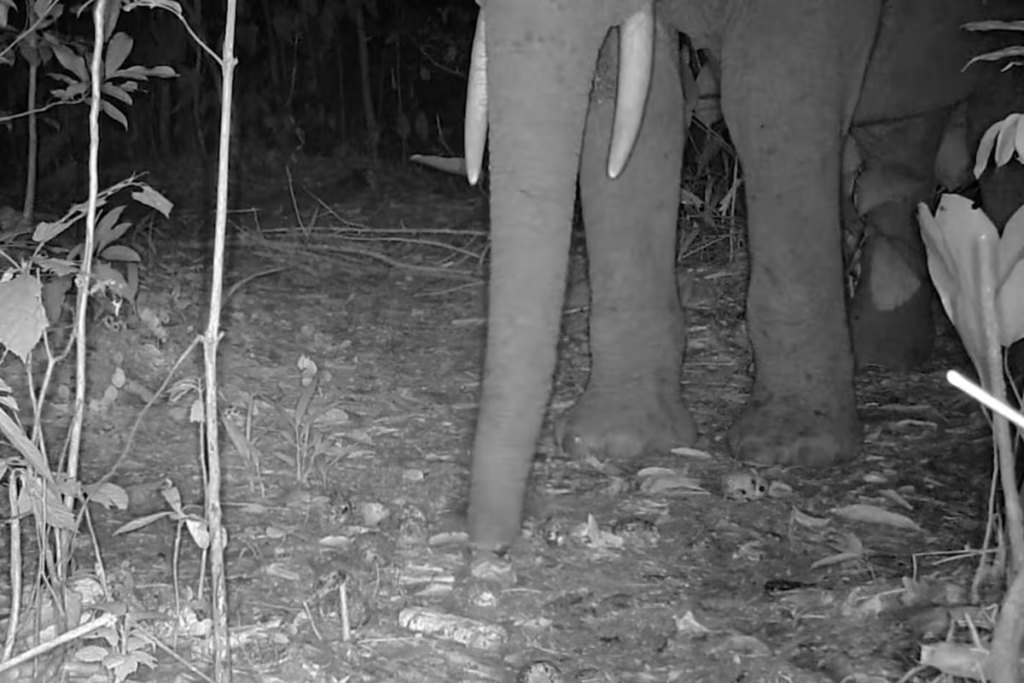
The Ebony Project supports ongoing ecological research in the Congo Basin rainforest, and, along the way, scientists have uncovered an unexpected connection: African forest elephants play a crucial role in ebony regeneration by dispersing seeds.
The West African ebony tree produces large fruit eaten by forest animals, including elephants. The seeds pass through the elephant and, as the animals move through the forest, are deposited far from the parent tree, encased in dung, which masks their scent and thus protects them from smaller animals scavenging for their next meal. The elephant, it turns out, is essential to the tree’s regeneration.
In other words, the future of a material used to make guitars is tied to the fate of a critically endangered animal. Surprising, right?
It’s a reminder that supply chains don’t begin in factories. They often begin in ecosystems, which are complex, interdependent and often poorly understood.
In 1974, I was a kid from San Diego who wanted to build guitars. I could never have imagined it would one day lead to me supporting elephant dung research in Africa. But you can’t unknow what you know. And now, organizations like the International Elephant Foundation have expressed interest in helping support the work.
No single project will restore an ecosystem or protect elephants. But it can demonstrate a principle: Sustainability isn’t someone else’s job. It belongs to the people who use the resource.
This isn’t about charity or public relations. It’s about responsibility and, ultimately, resilience. We can’t build the future on assumptions of endless supply. The world has changed. The materials we depend on — and the systems that sustain them — have changed with it.
The question isn’t whether businesses should help sustain the resources they use.
It’s whether they can afford not to.